
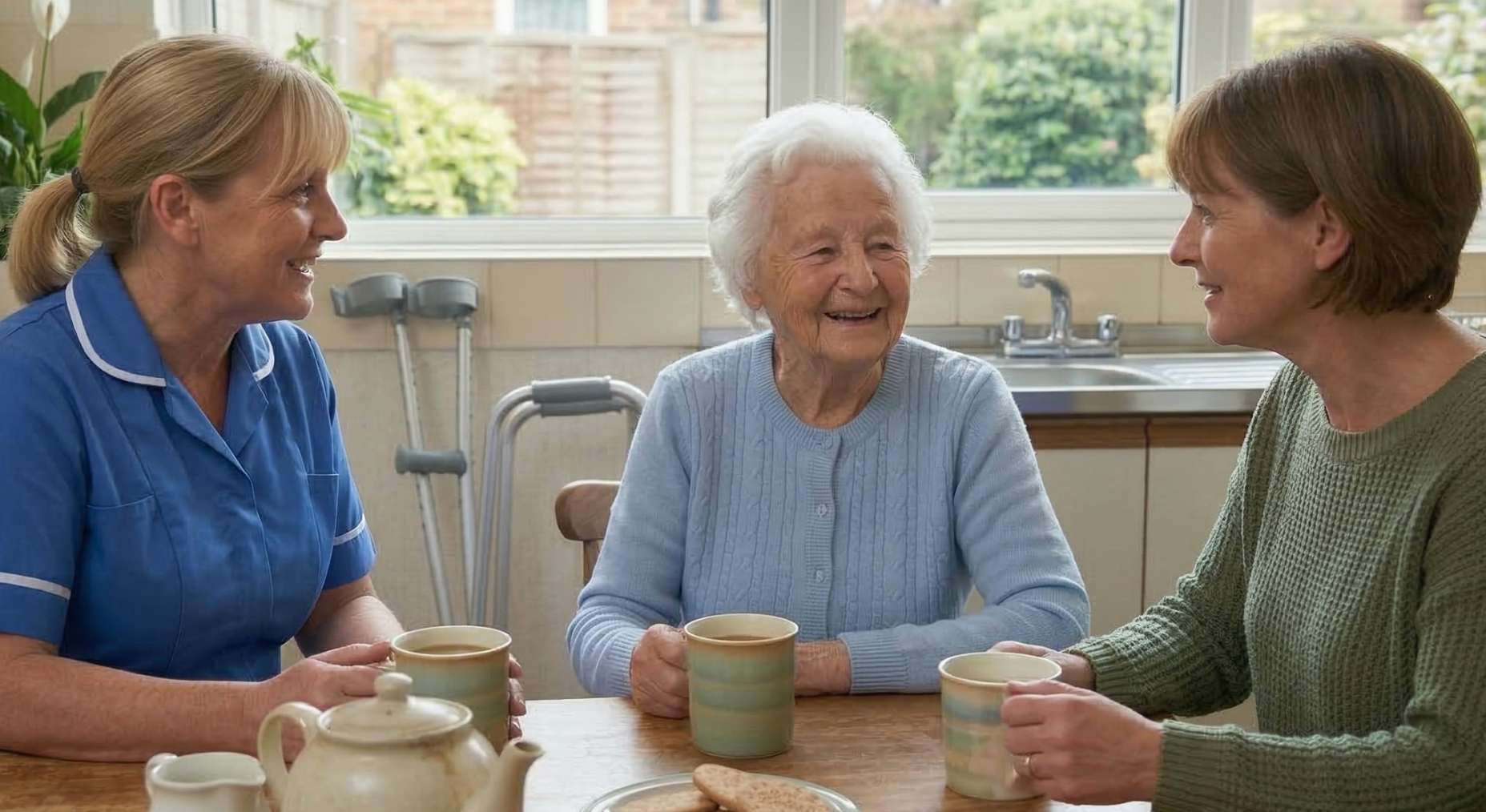
Hospital Discharge Care in Cheltenham
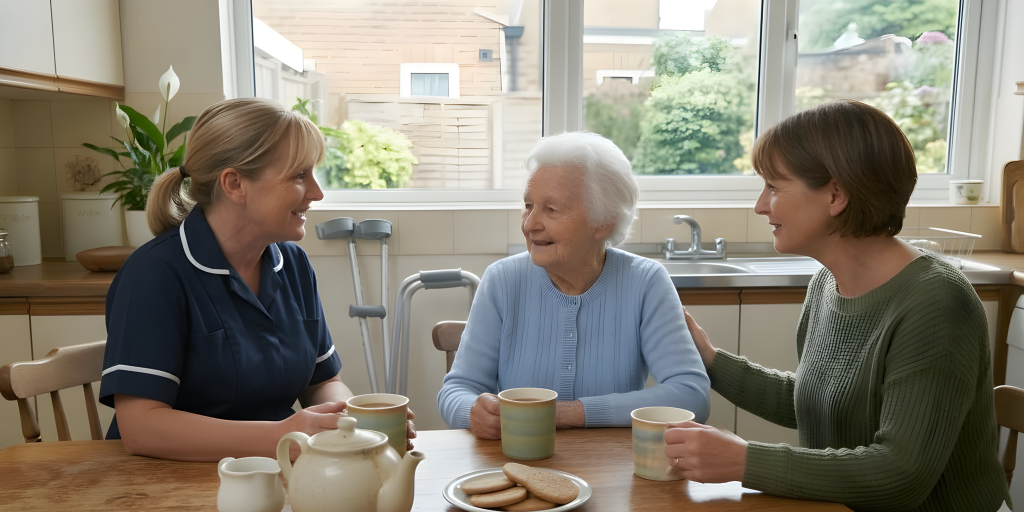
Hospital discharge care is short-term support that helps your parent recover safely at home after a hospital stay. Reablement, fall prevention, and daily living assistance designed to rebuild independence and reduce the risk of readmission.
Safe Transition Home
The first 48 hours after hospital are the most dangerous. Your parent comes home to a prepared environment with a carer ready to help them settle in safely.
This is one of the our full range of home care services in Cheltenham that families in Cheltenham trust us to deliver with compassion and professionalism.
Medication Management
New medications, changed dosages, complicated schedules. Our carers ensure your parent takes the right medication at the right time and flag any side effects immediately.
Mobility and Fall Prevention
After a hospital stay, your parent may be weaker, unsteady, or less confident moving around. Our carers provide physical support and help rebuild mobility gradually.
Recovery Monitoring
Wound checks, fluid intake tracking, appetite monitoring. Our carers record everything and report to your family and GP so early warning signs are caught before they become emergencies.
Personal Care During Recovery
Washing, dressing, meal preparation, getting comfortable. When your parent is too weak or sore to manage daily tasks alone, their carer handles everything with patience.
Reducing Readmission Risk
One in five older people are readmitted within 30 days. Hospital discharge care reduces that risk by making sure your parent follows their recovery plan at home.
Hospital Discharge Care Gets Your Parent Home Safely
Coming home from hospital should be the start of recovery — not a revolving door back to A&E. Hospital discharge care makes sure your parent has the support they need from the moment they walk through the door.
Your parent has been in hospital. Maybe it was a fall, a stroke, a planned operation, or a chest infection that got out of hand. Whatever brought them in, the doctors have decided they are well enough to go home. But “well enough to leave hospital” does not mean “well enough to manage alone.”
That gap between hospital and full recovery is where things go wrong. Your parent comes home tired, weak, confused by new medications, and suddenly expected to look after themselves in a house that feels different after weeks on a ward. The fridge is empty. The stairs feel steeper. The discharge letter mentions follow-up appointments that nobody has booked yet.
Hospital discharge care fills that gap. It puts a trained carer in your parent’s home to help them settle back in, manage their medications, monitor their recovery, and handle the daily tasks they cannot do alone while they heal. At SW Care, we have been delivering hospital discharge care in Cheltenham since July 2018. We are CQC Rated Good, a Top 20 Home Care Group (Homecare.co.uk 2025 national award), and have delivered over 100,000 hours of care across Cheltenham. We have supported 100s of families through this exact situation, and we are rated 9.8 out of 10 by 121 families on Homecare.co.uk.
Why the First Days After Hospital Are the Most Dangerous
The statistics are sobering. According to NHS England data, roughly one in five older adults are readmitted to hospital within 30 days of discharge. That is not a small number. It means that for every five older people who go home from hospital, one of them ends up back in a ward within a month.
The reasons are predictable and, in most cases, preventable. Medication errors rank near the top of the list. Your parent leaves hospital with a bag of new tablets, changed dosages, and a printed sheet that assumes they understand what everything is for. Many do not. They take the wrong dose, skip pills because they feel better, or mix up morning and evening medications. Within days, something goes wrong.
Falls are the second biggest risk. After days or weeks in a hospital bed, your parent’s muscles are weaker than they realise. They stand up too quickly, reach for something on a high shelf, or try to manage the bathroom at night without help. A fall after surgery or a stroke can undo weeks of medical treatment in a single moment.
Then there is dehydration and poor nutrition. In hospital, meals appeared on a tray at set times. At home, your parent has to prepare their own food. If they are tired, sore, or simply not hungry, they skip meals. They forget to drink enough water. Dehydration in an older person can cause confusion, dizziness, and urinary tract infections — all of which can send them straight back to A&E.
Infection is another concern. Surgical wounds need proper care. Catheters need monitoring. Skin integrity matters. If your parent cannot manage these things alone, and nobody is checking, small problems become serious ones fast.
Hospital discharge care addresses every one of these risks. A carer is there in the home, watching for early warning signs, making sure medications are taken correctly, preparing meals, helping with mobility, and reporting anything unusual to the family and GP before it escalates.
Without proper support, families try to manage recovery alone. Your mum is discharged on a Friday afternoon. Suddenly you are lifting her out of bed, sorting new medications, worrying every time she walks to the bathroom. Hospital discharge care changes this. A trained carer handles the physical support, the medication routine, and the recovery monitoring. You go back to being the family.
What Hospital Discharge Care Includes
Every hospital discharge is different. A parent recovering from hip replacement surgery needs different support than a parent coming home after a stroke. That is why every care package we put together at SW Care starts with a proper assessment of what your parent actually needs — not a one-size-fits-all checklist.
That said, there are common tasks that most hospital discharge care packages include:
- Medication management — making sure your parent takes the right medication at the right time, in the right dose. Our carers prompt, remind, and record every dose. If something looks wrong or your parent reports side effects, we flag it immediately.
- Mobility support and fall prevention — helping your parent move safely around their home, get in and out of bed, use the bathroom, and manage the stairs. This is hands-on, physical support from a carer who understands how to reduce the risk of falls.
- Personal care — washing, bathing, dressing, toileting, continence support. After hospital, your parent may be too weak, too sore, or too unsteady to manage these tasks alone. Their carer handles everything with patience and dignity.
- Meal preparation and nutrition — cooking meals your parent will actually eat, making sure they drink enough fluids, and monitoring appetite. Proper nutrition is critical for recovery.
- Recovery monitoring — wound checks, fluid intake tracking, temperature monitoring, watching for signs of infection, tracking pain levels. Our carers keep detailed records and share them with your family and medical team.
- Appointment support — reminding your parent about follow-up appointments, helping them get ready, and coordinating transport. Missing post-discharge appointments is one of the most common reasons recovery stalls.
- Emotional support — coming home from hospital can be frightening. Your parent may feel vulnerable, anxious about another fall, or depressed about their loss of independence. Having a familiar, reassuring carer in the home makes an enormous difference.
The exact combination depends on your parent’s condition, the hospital’s discharge plan, and what your family can realistically provide. We work with you to get it right.
How We Work with Hospital Discharge Teams
Hospitals do not discharge patients into a vacuum. There is usually a discharge coordinator or social worker involved, particularly for older patients with complex needs. SW Care has a strong working relationship with local NHS teams in Cheltenham, including the Stroke Early Supported Discharge Team. We understand how the system works, and we know how to coordinate with hospital staff to make transitions smoother.
When you call us before your parent is discharged, we can start planning early. Our registered manager gathers information about your parent’s medical condition, the hospital’s recommendations, and any equipment or adaptations that need to be in place at home. We liaise with the hospital team to make sure nothing falls through the cracks.
If your parent needs clinical tasks — wound dressing changes, catheter care, injections — we coordinate with NHS district nurses. Our carers are not nurses. They are trained, experienced care workers who handle personal care, medication management, mobility support, and daily living tasks. When nursing tasks are needed, we make sure the NHS district nursing team is involved and that their visits dovetail with our care schedule.
This joined-up approach means your parent does not end up with gaps in their care. The carer knows when the district nurse is visiting. The district nurse knows what the carer is monitoring. Your family knows what is happening at every stage. And if something changes — if your parent’s condition improves faster than expected, or if new concerns emerge — we adjust the care plan accordingly.
Short-Term Recovery vs Ongoing Support
Some families need hospital discharge care for a few weeks. Their parent recovers, regains strength, and eventually manages on their own again. Other families discover that their parent needs longer-term support — perhaps because the hospital stay revealed underlying issues that were already present but not yet visible.
Both situations are completely normal, and we plan for both.
For short-term recovery, we build a care plan that focuses on getting your parent back on their feet. The visits might be intensive at first — two or three times a day in the first week — then taper off as your parent regains independence. We set clear goals and review progress regularly. When your parent no longer needs the support, we step back. There are no contracts locking you in.
For families who realise their parent needs ongoing care, the transition is seamless. The carer your parent already knows and trusts continues. The care plan evolves from post-hospital recovery into regular domiciliary care. There is no disruption, no starting over with a new company, no re-explaining your parent’s preferences and routines to strangers.
We have supported many families in Cheltenham who started with a short-term hospital discharge package and moved into ongoing personal care, overnight care, or even live-in care as their parent’s needs became clearer. That continuity matters. It means your parent is not passed between agencies or forced to start again with people they do not know.
Reducing the Risk of Readmission
Hospital readmission is not just a statistic. It means your parent going through the trauma of an ambulance trip, sitting in A&E for hours, being poked and prodded by unfamiliar medical staff, and spending more days in a hospital bed that could have been avoided. For older people, every hospital admission carries additional risks — hospital-acquired infections, muscle deconditioning, confusion, and the psychological toll of losing independence all over again.
Families across Cheltenham rely on our care services we provide across Cheltenham for consistent, high-quality support at home.
The purpose of hospital discharge care is to prevent that from happening.
Our carers are trained to spot the early warning signs that something is going wrong. A slight change in your parent’s behaviour. Reduced appetite. Increased confusion. Swelling around a wound. Difficulty breathing that was not there yesterday. These are the signals that, if caught early, can be managed at home with a phone call to the GP or district nurse — rather than a blue-light trip back to hospital.
Medication compliance is another critical factor. Research consistently shows that older patients who take their medications correctly after discharge have significantly lower readmission rates. Our carers do not just hand your parent their pills. They check the dosage, confirm the timing, watch for side effects, and record everything. If your parent refuses a medication or reports feeling unwell after taking it, we inform the family and the prescribing GP the same day.
Hydration and nutrition monitoring is equally important. Our carers prepare meals, encourage fluid intake, and track what your parent is actually eating and drinking. A well-nourished, hydrated body heals faster. A dehydrated, malnourished one ends up back in hospital.
Every carer at SW Care is covered by our insurance, every visit, no exceptions. You can trust that the person in your parent’s home is properly supported, properly trained, and properly accountable.
Common Conditions After Hospital Discharge
We support families in Cheltenham whose parents have been discharged after a wide range of conditions. Some of the most common include:
Hip and knee replacements. Your parent needs help with mobility, getting in and out of bed, washing, dressing, and following their physiotherapy exercises at home. The recovery period is typically six to twelve weeks, and proper support in the early days makes a measurable difference to outcomes.
Stroke. Recovery after a stroke varies enormously. Some parents regain most of their function quickly. Others face a longer recovery with speech difficulties, one-sided weakness, or cognitive changes. SW Care has a strong working relationship with the NHS Cheltenham Stroke Early Supported Discharge Team, and our carers are experienced in supporting stroke recovery at home.
Falls and fractures. A broken hip, wrist, or shoulder often means weeks of limited mobility. Your parent needs help with tasks they used to take for granted — getting dressed, making a cup of tea, getting to the bathroom safely. Our carers provide that physical support while your parent heals.
Heart conditions. After a heart attack, heart surgery, or treatment for heart failure, your parent may need careful monitoring at home. Medication management is critical. Activity levels need to be balanced. Our carers help manage daily life while keeping a close eye on recovery.
Respiratory conditions. Pneumonia, COPD exacerbations, and other lung conditions can leave your parent breathless, fatigued, and struggling with basic tasks. Proper nutrition, hydration, and gradual return to activity all need to be managed carefully.
Cancer treatment. Surgery, chemotherapy, and radiotherapy all take a physical toll. Your parent may come home exhausted, nauseous, or immunocompromised. Having a carer in the home ensures they eat properly, take their medications, and rest when they need to.
Urinary tract infections and sepsis. These are common in older people and often lead to hospital admission. After treatment, your parent may be weak and confused. Our carers monitor hydration, encourage fluid intake, and watch for signs of recurrence.
Whatever condition brought your parent into hospital, the fundamentals of discharge care remain the same: keep them safe, support their recovery, and prevent them from going back in.
How Quickly Can Care Start After Discharge
This is one of the most common questions families ask, and we understand why. Your parent may be coming home tomorrow. You might have just found out that the hospital is discharging them earlier than expected. The situation feels urgent, and you want to know that someone will be there.
The honest answer is: call us as early as possible. Ideally, contact us before your parent is discharged. That gives our registered manager time to gather information from the hospital team, assess your parent’s needs, put together a proper care plan, and match them with an experienced carer. The earlier you call, the smoother the transition home.
We will never rush a care plan just to get someone through the door quickly. Your parent deserves a properly assessed, properly planned package of care — not a last-minute scramble. That said, we understand that hospital discharge timelines are not always predictable, and we do everything we can to respond to urgent situations.
If your parent is still in hospital and you are starting to think about what happens when they come home, now is the right time to call. Even if the discharge date has not been confirmed, we can begin the conversation, explain the options, and start planning. That way, when the hospital says your parent is ready to leave, the support is already in place.
If your parent has already come home and you are realising they need more help than you expected, call us anyway. We will arrange an assessment at their home as quickly as we can and work with your family to put the right support in place.
SW Care has been delivering hospital discharge care in Cheltenham for over seven years. We have supported 100s of families through this process, and we are rated 9.8 out of 10 by 121 verified family reviews on Homecare.co.uk. Our carers are experienced, our systems are proven, and our team is based right here in Cheltenham — not in a call centre somewhere else.
Call 01242 352 554 and speak to our care team. Tell us about your parent’s situation, and we will explain exactly what happens next. No forms, no waiting lists, no obligation. Just a straightforward conversation about how we can help your parent come home safely and stay there.
Meet the Cheltenham Team That Delivers Your Home Care
You’re in safe hands.
Every family that trusts us with their loved one’s care deserves to know who’s behind it. Here is the team that runs your care — from the first phone call to daily visits at home.

Kasha Patrzykowska
Registered Manager
Kasha brings 17 years of domiciliary care experience, including advanced qualifications in care management, safeguarding, and medication administration. She is named on our CQC registration — which means she is personally accountable for the quality and safety of every care package we deliver. Kasha oversees every care plan, leads our team of carers, and is the person the CQC inspector speaks to when they visit.

Stacey Cole
Manager
Stacey brings 13 years of care management experience, with training in person-centred care planning, risk assessment, and family communication. As Manager, she handles family enquiries, organises care assessments, and makes sure the transition from your first phone call to a carer arriving at your door is smooth and stress-free. Stacey is often the first person families speak to — and she stays involved throughout.

Kamila Czerwonka
Care Coordinator
Kamila brings 14 years of care coordination experience, with specialist knowledge in rota management, carer matching, and continuity of care. As Care Coordinator, her job is to match the right carer to your loved one, schedule every visit, and make sure nothing falls through the cracks. Kamila learns your loved one’s preferences, personality, and routine — then builds a small, consistent team of named carers around them.

Faisal Khan
Head of Marketing
Faisal leads the organisation’s marketing strategy, strengthening brand visibility and supporting sustainable growth. He focuses on clear communication, digital presence and community engagement to ensure services are accessible and well represented. His work supports trust, transparency and awareness of high-quality home care within the local community.

Gus Saggu
Nominated Individual & Director
A Nominated Individual is the person registered with the Care Quality Commission (CQC) who is responsible for supervising the management of the regulated activity. They are the main point of contact between the service and the CQC. Gus brings extensive leadership experience in health and social care, ensuring robust governance, compliance, and a culture of continuous improvement across the Cheltenham service.
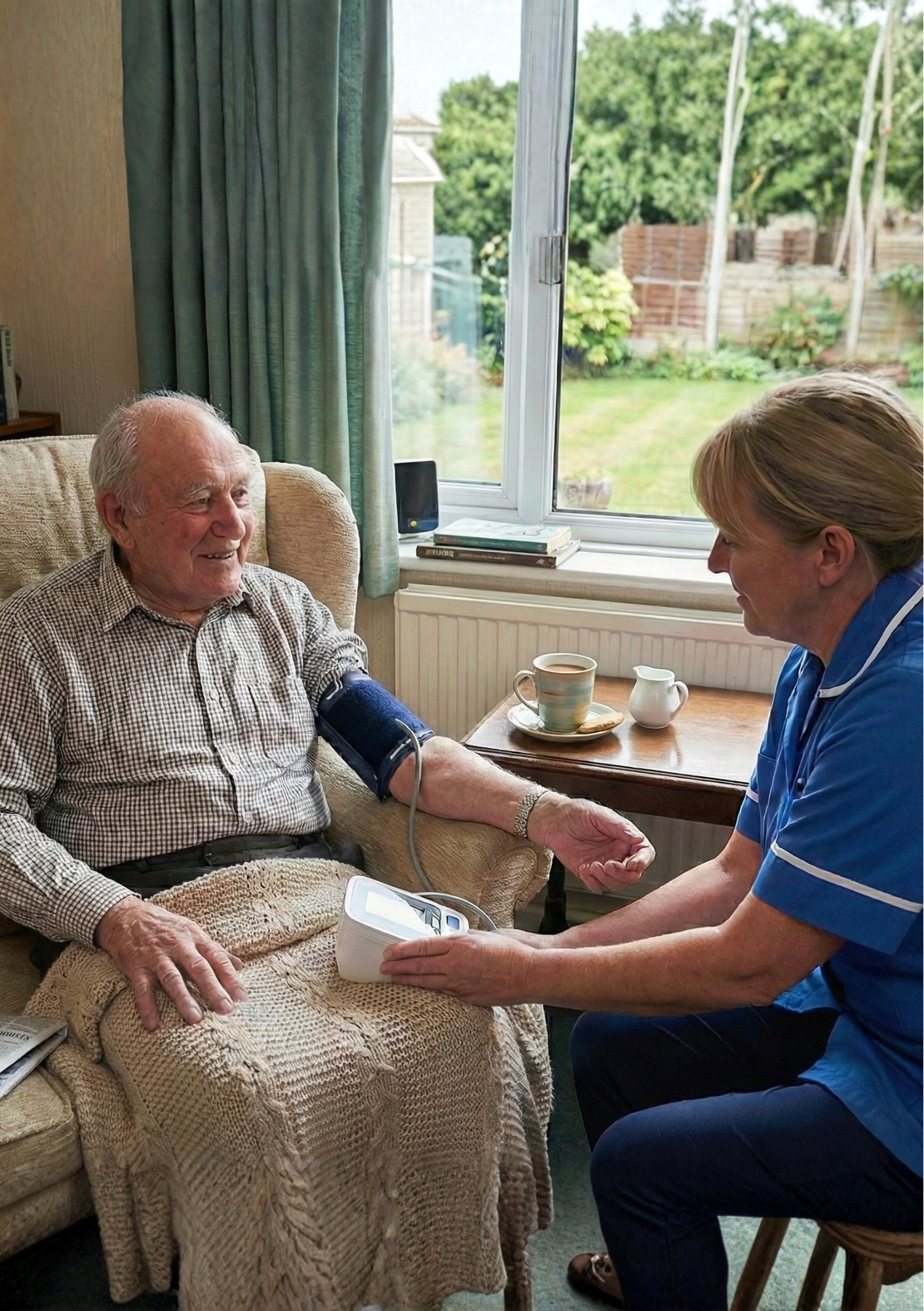
Behind every care team is a wider team of admin, finance, HR, recruitment and marketing people that all work together — making sure your loved one’s care runs smoothly, every single day.
Getting Started Takes One Phone Call
Most families feel unsure about this first step. That’s completely normal. Here’s what happens.
01
One 10-Minute Phone Call Gives You Clarity
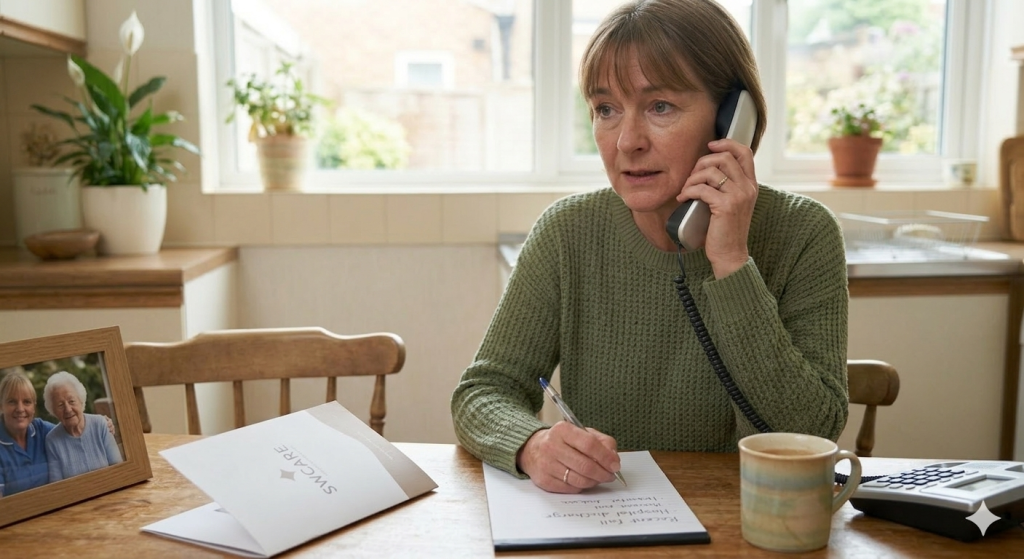
Call our care team on 01242 352 554 or send an email. Speak directly to Kasha, Kamila, Stacey or Faisal — our care team. Tell them what’s worrying you and what you need. No pressure. They’ll walk you through the process.
02
We Visit. We Listen. We Assess and Plan.
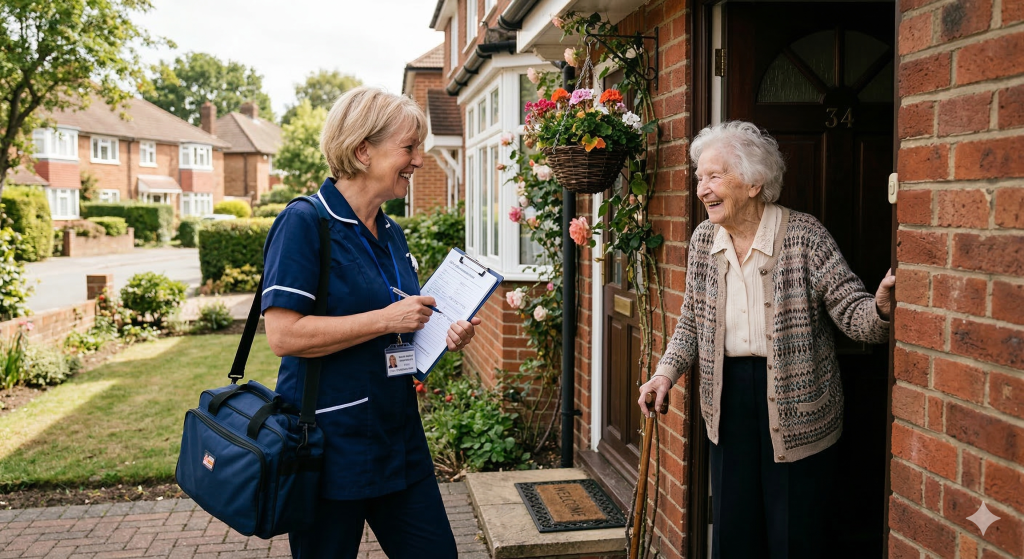
We visit you and carry out a CARE ASSESSMENT. It’s FREE and will give you a detailed plan of what care is required. Plans are made to fit your budget and personal family circumstances.
03
Your Parent Gets Their Own Small Team
Based on your loved one’s needs, we match a SMALL TEAM of qualified and appropriately trained carers. And if and when you are happy with everything, we will begin care.
The best way to start is to call our dedicated Cheltenham care team on 01242 352 554 or send an email. There’s no obligation. They’re here to answer your questions and help you decide at your pace.
Nine Care Services Delivered by One Local Cheltenham Team
We provide nine distinct home care services to families across Cheltenham. Every service is managed from our Cambray Place office and delivered by carers who are trained to Care Certificate standards with ongoing development. Meet the team behind your parent’s care.
- Personal Care — Washing, dressing, bathing, and continence support
- Dementia Care — Consistent routines and patient support for memory loss
- Live-In Care — A dedicated carer in your parent’s home around the clock
- Complex Care — PEG feeding, catheter care, stoma maintenance, and hoisting
- Companionship Care — Regular visits for company, conversation, and light support
- Overnight Care — Waking or sleeping night carers for safety and reassurance
- Respite Care — Temporary cover so family carers can take a proper break
- Hospital Discharge Care — Reablement support when your parent leaves hospital
- End-of-Life Care — Comfort, companionship, and dignity in the final weeks and months
Most families start with one or two visits a day and adjust as needs change. Your parent’s care plan is reviewed regularly, and you can call the office at any time to discuss changes. Browse our full range of home care services to see what support looks like in practice.
Get Expert Guidance on the Right Care for Your Loved One
In just 10 minutes, our care coordinators will help you understand your options and create a plan that works for your family.
There is never any obligation.
Get Clarity in 10 Minutes.Peace of Mind for Your Loved One.
Speak directly to our care team—Stacey, Kasha, Kamila, or Faisal—at our Cheltenham office. You’ll get clear answers about what care looks like, what it costs, and whether it’s the right step for your loved one.
What to Expect from Your First Call
When you call our Cheltenham office, you’re connecting with real care professionals who’ve helped families like yours. We’ll listen, answer honestly, and help you understand your options—without pressure.
Understand Your Loved One’s Needs
We’ll ask about their daily challenges, health conditions, and what matters most to them.
Explore Your Options
We’ll explain what care looks like, how it works, what it costs, and how we can customise it. No surprises.
Take the Next Step
If homecare is right for your loved one, we’ll help you get started this week. If it’s not the right time, we’ll tell you honestly.