
Companionship Care in Cheltenham
Friendly, regular company for parents who need someone to look forward to seeing.
Friendly Company at Home
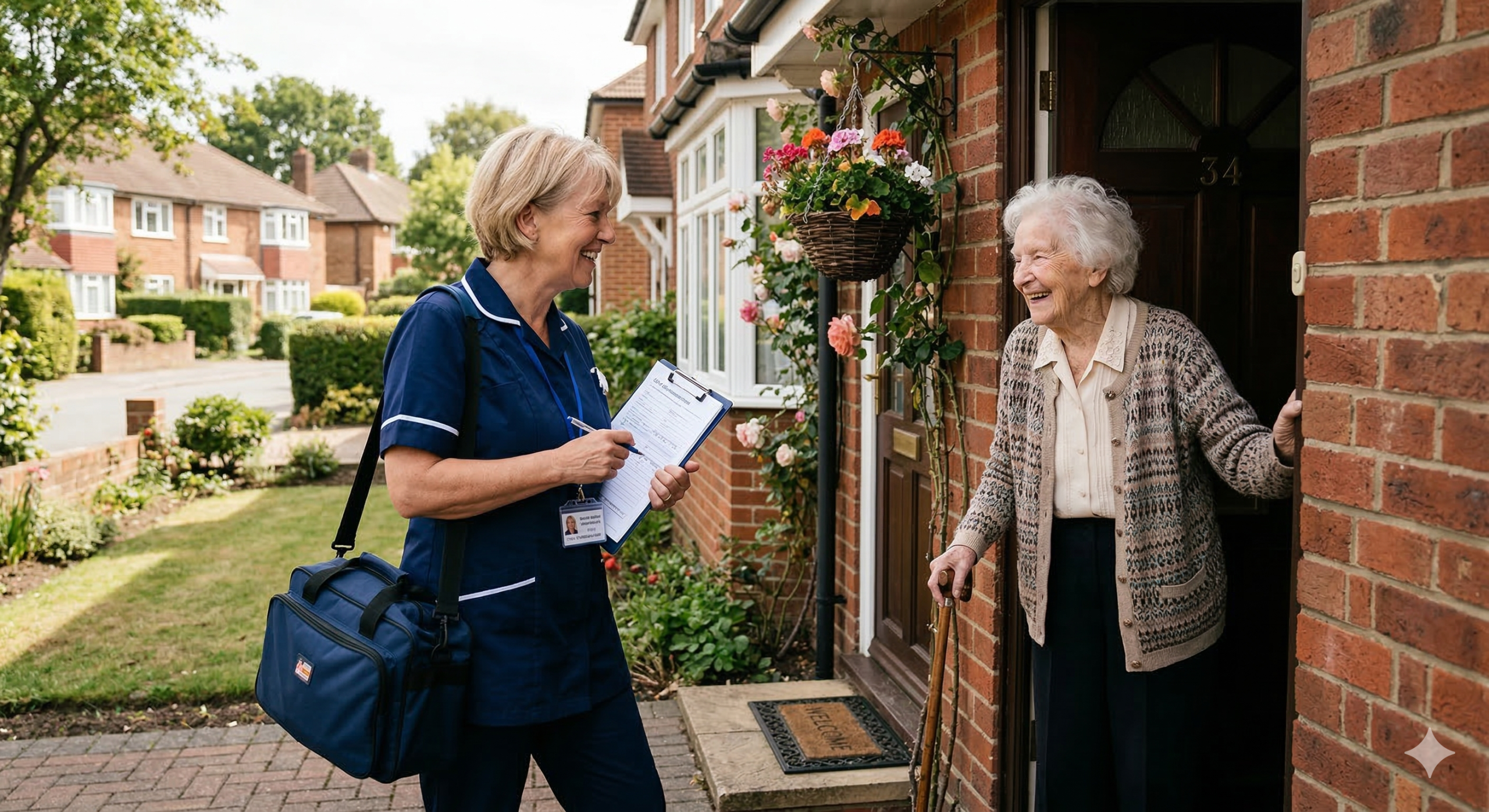
A regular carer who arrives with a smile, sits down for a proper chat, and makes your parent feel like someone genuinely cares. Not a stranger every visit — a familiar face they look forward to seeing.
This is one of the our full range of home care services in Cheltenham that families in Cheltenham trust us to deliver with compassion and professionalism.
Getting Out and About
Walks to the park, trips to the shops, coffee at a local café. Your parent’s carer helps them stay connected to the community they know — not stuck indoors watching the clock.
Meal Preparation and Light Support
Helping prepare lunch, making a cup of tea, loading the dishwasher. Small tasks that make a big difference when your parent finds everyday activities harder than they used to be.
Reducing Loneliness and Isolation
Loneliness affects physical health as much as mental health. Regular companionship visits break the cycle of isolation and give your parent something to look forward to each week.
Hobbies and Activities
Cards, crosswords, reading the paper together, watching a favourite programme. Your carer learns what your parent enjoys and builds those activities into every visit.
Family Peace of Mind
Knowing someone is checking in on your parent regularly. Noticing if something has changed. Flagging anything that worries them. You get a call if anything feels different.
Companionship Care Gives Your Parent Someone to Look Forward To
When your parent lives alone and the days feel long, companionship care provides the regular human connection that makes the difference between existing and living.
What Companionship Care Looks Like in Practice
Picture this. Your mum is sitting in her front room. The television is on but she is not really watching it. The phone has not rung today. She had toast for lunch because cooking a proper meal for one felt like too much effort. She is safe. She is warm. But she is alone — and she has been alone for most of the week.
That is the reality for thousands of older people across Cheltenham. They are not ill enough to need medical care. They are not frail enough to need help getting out of bed. But they are spending day after day without meaningful human contact, and it is taking a toll that nobody talks about until something goes wrong.
Companionship care changes that pattern. It is regular, scheduled visits from a carer your parent actually knows and likes. Someone who turns up at the same time each week, remembers what they talked about last visit, and genuinely enjoys spending time with them. Not a stranger with a clipboard. Not a different face every time. A familiar person who becomes part of your parent’s week.
A typical companionship visit might involve sitting down with a cup of tea and talking about what has been happening. It might mean walking to the local shops together, or reading the newspaper and discussing the headlines. Some visits, your parent’s carer helps prepare a proper lunch — something more than toast and jam. Other times, they might go through old photographs, play cards, or simply sit in the garden and enjoy the fresh air.
There is no rigid script. The visit revolves around what your parent enjoys and what makes them feel good. That is the whole point. Companionship care is not a medical service. It is a human one.
Why Loneliness Is a Serious Health Risk
Loneliness is not just an emotional problem. The research on this is clear and it is alarming. Chronic loneliness carries health risks comparable to smoking fifteen cigarettes a day. It increases the risk of heart disease, stroke, and cognitive decline. It weakens the immune system. It makes existing health conditions harder to manage and slower to recover from.
Age UK estimates that over a million older people in England go for a month or more without speaking to a friend, neighbour, or family member. Not a month without seeing someone — a month without even a conversation. In Cheltenham, where many older residents live alone in quiet residential streets, that figure carries real weight.
The effects build gradually. Your parent might stop cooking properly because eating alone feels pointless. They might stop going out because there is nobody to go with. They sleep more during the day because there is nothing to stay awake for. Muscles weaken from inactivity. Confidence drops. The world gets smaller.
And here is the thing that families notice too late: loneliness and depression look almost identical in older people. The withdrawal, the loss of appetite, the flat mood — it is easy to assume your parent is depressed when what they actually need is regular, reliable company. Someone to break up the long hours between breakfast and bedtime.
That is exactly what companionship care provides. Not therapy. Not medical treatment. Just consistent, genuine human connection from someone who shows up when they say they will and stays for the full visit.
Who Benefits Most from Companionship Care
Companionship care suits a wide range of people, but the families who contact us about it tend to fall into a few common situations.
Parents who live alone after losing a spouse. The first few months after bereavement, friends and family rally round. But after six months, the visits thin out. The phone rings less. Your parent is left with an empty house and a routine built for two people that now only involves one. Companionship care fills some of that gap — not as a replacement, but as a regular, reliable presence in a week that suddenly feels very long.
Parents whose social circle has shrunk. Friends move away or pass on. Driving becomes unsafe and the car gets sold. The bus into town feels daunting. Your parent used to be active and sociable, and now they barely leave the house. A companion carer helps them get out again — to the shops, to a cafe, to the park. Small trips that make a big difference to how your parent feels about their day.
Parents in the early stages of cognitive decline. They are managing day-to-day, but you have noticed they are repeating themselves more, forgetting appointments, or losing track of days. Companionship care provides gentle stimulation and routine. It also means there is someone checking in who will notice if things change — and flag it to you before it becomes a crisis.
Families who live too far away to visit regularly. You want to be there more often, but work and distance make it impossible. Knowing your parent has a regular visitor who genuinely cares about them — and who will call you if anything seems off — gives you peace of mind that phone calls alone cannot provide.
Parents recovering from a hospital stay. They have been discharged and the medical side is handled, but their confidence is low. They are anxious about being alone. Companionship visits during recovery provide reassurance and gentle encouragement to get back to their normal routine.
Some families consider a care home because their parent is lonely. But moving to residential care means leaving behind their home, their routine, and the neighbourhood they know. Companionship care keeps all of it intact. Your parent stays in their own home while someone they look forward to seeing visits every week. The loneliness goes. The familiarity stays.
What Your Parent’s Companionship Carer Does
Every companionship visit is different because every person is different. But to give you a clear picture, here is what our carers typically help with during a companionship visit:
- Conversation and company — Sitting down for a proper chat. Talking about their week, the news, memories, family. The kind of conversation that makes your parent feel heard and valued.
- Getting out of the house — Walking to the shops, visiting a local cafe, strolling through the park. Your carer helps your parent stay connected to the community around them.
- Light meal preparation — Making lunch, preparing a snack, ensuring your parent eats something proper. Shared meals feel better than eating alone.
- Hobbies and interests — Playing cards, doing crosswords, reading together, watching a favourite programme and discussing it afterwards. Activities that keep the mind active and give the visit structure.
- Light household tasks — Washing up, loading the dishwasher, tidying the kitchen after lunch. Small tasks that can pile up when your parent is on their own.
- Attending appointments — Going along to a GP appointment, a hospital visit, or a social group. Having someone familiar alongside makes these outings less stressful.
- Keeping in touch with family — Helping your parent use their phone or tablet to video call family members. Technology can be frustrating when you are on your own, and a carer can make it easier.
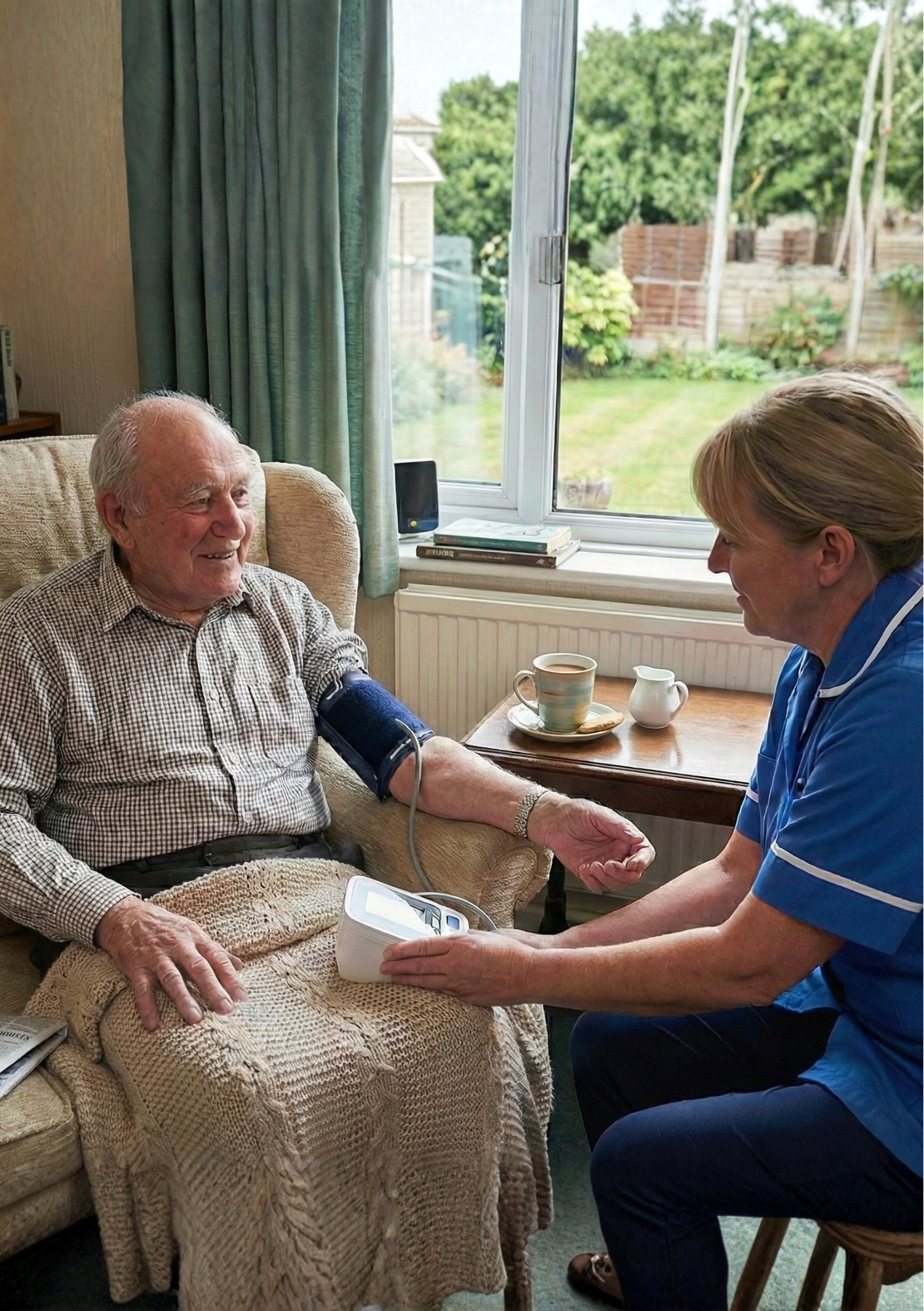
- Monitoring wellbeing — Noticing changes in mood, appetite, mobility, or behaviour. Your parent’s carer sees them regularly and builds a baseline understanding of what is normal for them. If something shifts, they flag it.
That last point is worth emphasising. One of the most valuable things about regular companionship visits is the early warning system they create. A carer who visits your parent twice a week will notice if they have stopped eating properly, if their mobility has changed, if they seem confused about things they were clear about last week. That observation can catch problems early — before they become emergencies.
Companionship Care vs Visiting Care
Families sometimes ask what the difference is between companionship care and regular visiting care. It is a fair question, because the visits can look similar on paper. But the purpose and approach are quite different.
Families across Cheltenham rely on our care services we provide across Cheltenham for consistent, high-quality support at home.
Visiting care — sometimes called domiciliary care or home care — is typically task-focused. A carer arrives, helps your parent with specific personal care tasks (washing, dressing, medication), and moves on to their next call. The visits tend to be shorter and the priority is making sure essential care tasks are completed.
Companionship care is relationship-focused. The visit exists primarily for your parent’s social and emotional wellbeing. The carer is there to spend time with your parent, not to rush through a task list. Visits are usually longer — often an hour or more — because building a genuine connection takes time. You cannot have a meaningful conversation in fifteen minutes.
That said, companionship care often includes light practical support. Preparing a meal, tidying the kitchen, helping with a phone call. But those tasks sit alongside the companionship — they are not the main event.
Many families combine both. Their parent has visiting care for personal care needs in the morning, and companionship care visits during the week for company and social stimulation. The two services work together, delivered by our Cheltenham-based team who coordinate everything so your parent always knows who is coming and when.
How We Match Your Parent with the Right Companion
The match between your parent and their companion carer is the single most important factor in whether companionship care works. Get it right and your parent looks forward to every visit. Get it wrong and it becomes another obligation in a week already short on joy.
We take this seriously. At SW Care, matching is not a matter of checking who is available on Tuesday afternoon. Our registered manager gets to know your parent during the care assessment — their personality, their interests, their sense of humour, what they enjoy talking about, what annoys them, what makes them light up. Then they look at our team and identify the carer whose temperament, interests, and personality are the best fit.
A parent who loves cricket and follows the county scores needs a carer who can hold that conversation. A parent who enjoys gentle walks and watching the birds needs someone who shares that pace and appreciation. A parent who is sharp-witted and does not suffer fools needs a carer who can keep up and give as good as they get.
We have been doing this in Cheltenham since July 2018 — over seven years of matching carers with families and learning what makes a placement work. Our team has delivered more than 100,000 hours of care across the area. That experience shows in the relationships our carers build with the people they visit.
And if the match is not right? We change it. No fuss, no delay. Your parent’s comfort matters more than administrative convenience. We would rather reassign a carer and find the right fit than force a relationship that is not working.
Every carer we send into your parent’s home is DBS-checked, fully trained, and covered by our insurance — every visit, no exceptions. But beyond the paperwork, they are people who chose this work because they genuinely enjoy spending time with older people. That is not something you can train into someone. You either have it or you do not.
Getting Started with Companionship Care
Most families who call us about companionship care are not in crisis. There is no medical emergency. Nobody is at immediate risk. What has happened is subtler than that. You have noticed your parent is quieter on the phone. They mention they have not been out this week. The house is tidy because nothing is being used. They tell you they are fine, but you can hear that they are not.
That is the right time to call. You do not need to wait until your parent is struggling to cope physically. Loneliness is a problem worth addressing before it compounds into something harder to fix.
When you ring our Cheltenham office on 01242 352 554, you will speak to someone from our care team — not a call centre, not an answering machine. We will ask you what is happening, what you have noticed, and what you think your parent would benefit from. That conversation usually takes ten to fifteen minutes and gives us enough to understand whether companionship care is the right fit.
If it is, we arrange a care assessment at your parent’s home. One of our team visits, spends time getting to know your parent properly, and builds a picture of what would make the biggest difference. From there, we put together a plan, match the right carer, and agree a schedule that works for everyone.
Companionship care visits can be as frequent as your parent needs. Some families start with one or two visits a week and increase as they see the difference it makes. Others want daily check-ins from the start. There is no minimum contract and no lock-in. If your parent’s needs change, the plan changes with them.
SW Care is rated 9.8 out of 10 on Homecare.co.uk, based on 121 verified family reviews. We were awarded Top 20 Home Care Group 2025 at the national Homecare.co.uk awards. We are CQC-rated Good. We have a strong working relationship with the NHS Cheltenham Stroke Early Supported Discharge Team. And we are based right here in Cheltenham — our office is at Harley House on Cambray Place.
None of that matters as much as whether your parent looks forward to their carer arriving. That is the measure we care about most. And it is the reason we spend so much time on matching, on training, and on making sure every visit counts.
If your parent is spending too much time alone, call us on 01242 352 554. Or send a WhatsApp message if that is easier. We will talk you through how companionship care works, what it costs, and what the next steps look like. No obligation. No pressure. Just an honest conversation about what might help.
Meet the Cheltenham Team That Delivers Your Home Care
You’re in safe hands.
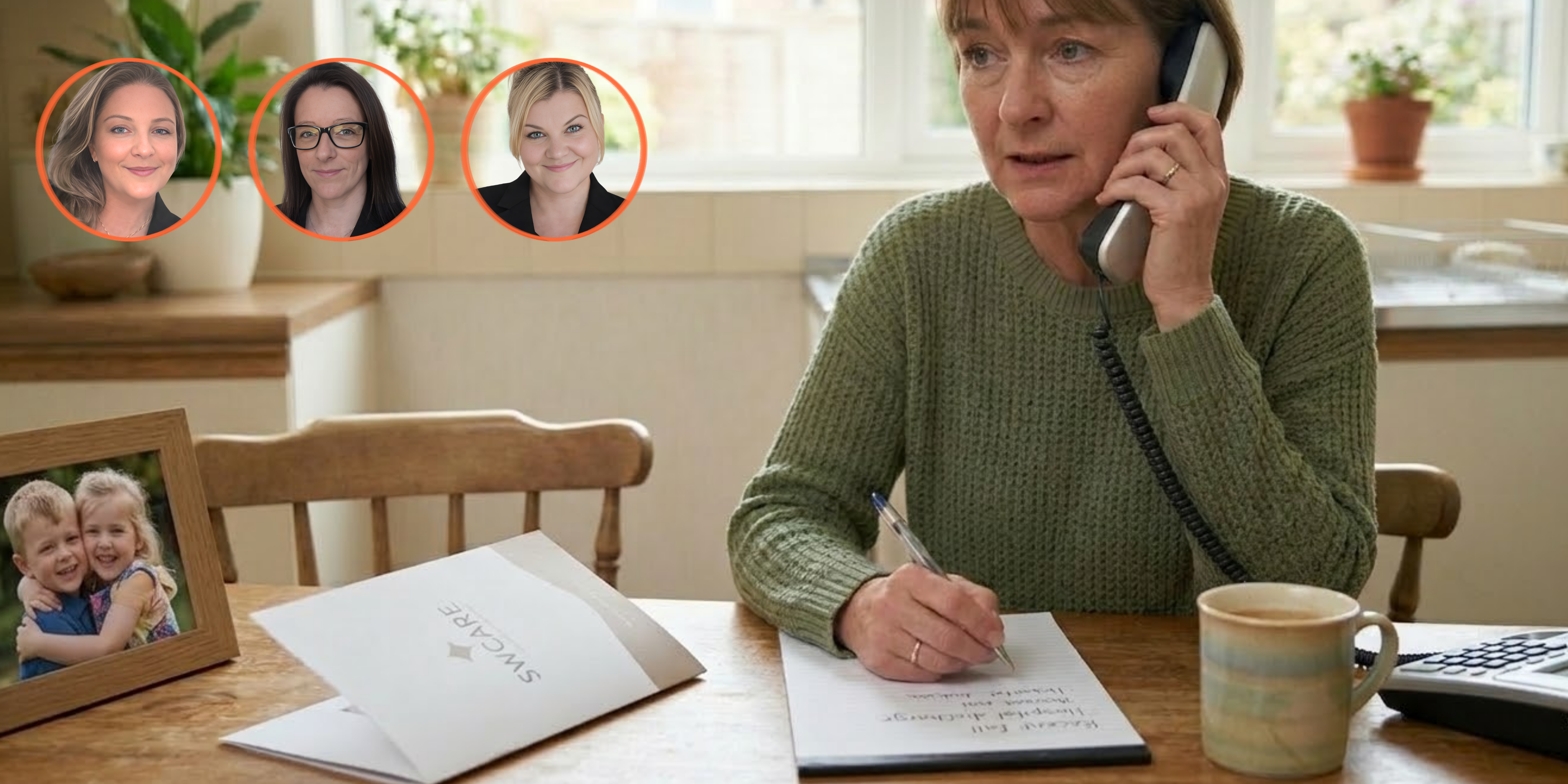
Every family that trusts us with their loved one’s care deserves to know who’s behind it. Here is the team that runs your care — from the first phone call to daily visits at home.

Kasha Patrzykowska
Registered Manager
Kasha brings 17 years of domiciliary care experience, including advanced qualifications in care management, safeguarding, and medication administration. She is named on our CQC registration — which means she is personally accountable for the quality and safety of every care package we deliver. Kasha oversees every care plan, leads our team of carers, and is the person the CQC inspector speaks to when they visit.

Stacey Cole
Manager
Stacey brings 13 years of care management experience, with training in person-centred care planning, risk assessment, and family communication. As Manager, she handles family enquiries, organises care assessments, and makes sure the transition from your first phone call to a carer arriving at your door is smooth and stress-free. Stacey is often the first person families speak to — and she stays involved throughout.

Kamila Czerwonka
Care Coordinator
Kamila brings 14 years of care coordination experience, with specialist knowledge in rota management, carer matching, and continuity of care. As Care Coordinator, her job is to match the right carer to your loved one, schedule every visit, and make sure nothing falls through the cracks. Kamila learns your loved one’s preferences, personality, and routine — then builds a small, consistent team of named carers around them.
Behind every care team is a wider team of admin, finance, HR, recruitment and marketing people that all work together — making sure your loved one’s care runs smoothly, every single day. Meet the full team →
The First Step Is Always a Conversation
We have been helping families get support and care for their loved ones for many years. Whatever your personal requirements or budget are, our care team is ready to help.
There’s never any obligation.
Getting Started Takes One Phone Call
Most families feel unsure about this first step. That’s completely normal. Here’s what happens.
01
One Phone Call Changes Everything
01242 352 554
Mon–Fri 9am–5pm
Send your enquiry by email →
No waiting. No call centres. You’ll speak directly to Kasha, Kamila or Stacey — real people who’ve helped hundreds of Cheltenham families find the right care. Tell them what’s worrying you. They’ll be honest about what we can do.

02
We Visit. We Listen. We Plan.
We come to your parent’s home — not an office, not a hospital. We sit down, learn their routine, what matters to them, and what worries you. Then we build a care plan around their life — not a template. If you’re paying privately, we’ll work within your budget. No surprises.

03
Your Parent Gets Their Own Small Team
We match a small team of carers to your parent — people they’ll actually look forward to seeing. They arrive on time, every time. You get updates on the app after every visit. Same familiar faces at the door. No strangers. And for the first time in months, you can breathe.
The Smartest Way to Start Your Care Search Is a 10-Minute Phone Call.
Speak directly to Stacey, Kasha, Kamila or Faisal at our Cheltenham office. No call centres. No sales pitch. Just clear answers about what care looks like, what it costs, and whether it’s the right step.
There’s never any obligation.
Nine Care Services Delivered by One Local Cheltenham Team
We provide nine distinct home care services to families across Cheltenham. Every service is managed from our Cambray Place office and delivered by carers who are trained to Care Certificate standards with ongoing development. Meet the team behind your parent’s care.
- Personal Care — Washing, dressing, bathing, and continence support
- Dementia Care — Consistent routines and patient support for memory loss
- Live-In Care — A dedicated carer in your parent’s home around the clock
- Complex Care — PEG feeding, catheter care, stoma maintenance, and hoisting
- Companionship Care — Regular visits for company, conversation, and light support
- Overnight Care — Waking or sleeping night carers for safety and reassurance
- Respite Care — Temporary cover so family carers can take a proper break
- Hospital Discharge Care — Reablement support when your parent leaves hospital
- End-of-Life Care — Comfort, companionship, and dignity in the final weeks and months
Most families start with one or two visits a day and adjust as needs change. Your parent’s care plan is reviewed regularly, and you can call the office at any time to discuss changes. Browse our full range of home care services to see what support looks like in practice.
The Smartest Way to Start Your Care Search Is a 10-Minute Phone Call.
Speak directly to our care team: Stacey, Kasha, Kamila or Faisal – at our Cheltenham office. No call centres. No sales pitch. Just clear answers about what care looks like, what it costs, and whether it’s the right step.
Out of hours? Leave a voicemail
There is never any obligation.